

In a world where digital content can be shared in seconds, the protection of digital products and intellectual property has become one of the most pressing challenges for anyone who creates or sells content online.
Whether you are dealing with e-books, online courses, software, or photography, the risk of unauthorized distribution and digital piracy has never been greater.
So how do you actually protect your work and your income?
Below, we cover five proven strategies that combine legal foundations, DRM protection systems, and practical preventive measures to help you effectively protect digital products from theft and unauthorized sharing.
1. Legal Foundations: The First Layer of Protection of Digital Products
Effective protection of digital products always begins with a solid legal framework. Without it, even the most sophisticated technical measures lose much of their enforceability.
Digital Copyright Protection
As soon as you create digital content text, video, graphics, or software – it is automatically protected by copyright law. This is the cornerstone of digital copyright protection.
However, it is essential to make it explicitly clear to buyers that they are purchasing a license to use the content, not ownership of it.
This distinction forms the basis for all further legal protection.
Essential Legal Documents for Your Website
To maximize the protection of digital products, make sure the following documents are clearly visible on your website:
- Terms of Use
- Licensing Policy
- Legal Notices
- Purchase and Refund Policy

These documents define what is and is not permitted, and they protect you legally in the event of a copyright infringement.
2. DRM Protection: The Strongest Technological Shield for Digital Content
Digital Rights Management (DRM) refers to a set of technologies that control how users can access, open, or share digital files.
DRM protection is one of the most powerful tools you have to prevent digital piracy and protect digital downloads from unauthorized use.
How DRM Protection Secures Your Content
- Encryption: Content is locked and accessible only to authorized users.
- Tokenization: Each buyer receives a unique identifier that limits the number of devices and access points.
- Device restrictions: Control over how many devices can open the content.
Platforms with Built-in Protection
| Platform | Type of Protection | Practical Application |
| Gumroad | Dynamic digital watermark | Embeds buyer data directly into the PDF. |
| PayHip | PDF stamping, download limits | PDF includes a personalized buyer imprint. |
| Teachable / Kajabi | Video content streaming | Online course videos cannot be downloaded. |
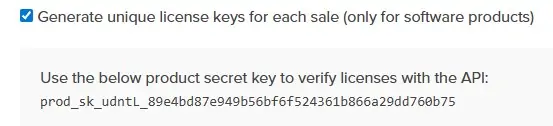
Pro Tip: If you sell software through PayHip, make sure to enable the PDF Stamping option so that each copy is personalized to its buyer. For software and app sales, you can also generate unique license keys to further restrict unauthorized access.
3. License Digital Content: Define Clear Usage Rights
Licensing is a powerful tool for managing and controlling how your digital products are used. When you properly license digital content, you set the rules — and customers know exactly what they can and cannot do.
Types of Licenses
- Personal license: Content is used privately, with no resale or redistribution.
- Commercial license: Permits broader use within a business or for commercial purposes.
Users must clearly understand what they are allowed to do with your digital content. Ambiguity here can make it harder to enforce your rights in a dispute.
Digital Watermark as an Extra Layer of Protection
A digital watermark is one of the most effective supplementary tools for the protection of digital products. You can strengthen your defenses by adding:
- Visible watermarks
- Hidden digital marks (steganographic watermarking)
- Personalized metadata

These measures are particularly useful in piracy investigations, as they allow you to trace the original source of leaked content back to a specific buyer.
4. Protect Ebooks Online and Courses – The Most Pirated Digital Products
PDFs and video content are among the most easily shared file types, making them prime targets for digital piracy. Here is how to protect digital downloads in these categories.
How to Protect PDFs, Ebooks, and Documents
- Add a password to the PDF
- Insert a digital watermark manually
- Block printing and copy-pasting of text
These measures significantly reduce the likelihood of unauthorized sharing and help you protect ebooks online. Advanced PDF tools such as Adobe Acrobat allow you to restrict printing or text copying entirely, making unauthorized distribution far more difficult.
Protecting Online Courses and Video Content

Best practices to prevent digital piracy of video courses:
- Provide access only through a secured, gated user account
- Disable file downloads entirely
- Use DRM-based streaming protection
This is the most effective way to prevent digital piracy of video-based online courses.
How to Protect Audio Content (MP3, Podcasts, Music)
Protecting audio files requires a different approach. Common methods include:
- DRM for audio streaming
- Forensic watermarking (inaudible digital watermarks)
- Locked download links
- Embedded streaming players within the platform
These techniques are widely used by educators and musicians to protect their audio content.
5. Build a Response Plan: What to Do When Piracy Happens
No protection system is perfect. That is why you need a clear, ready-to-execute action plan for when your content is pirated.
Monitor the Internet Regularly
Check platforms, social media, and forums by searching for:
- Unique phrases or passages from your content
- Chapter titles or section headings
- Key phrases from your videos or audio
If you have embedded a digital watermark, you can quickly identify the specific buyer from whom the content originated — giving you a clear path for legal action or account termination.
DMCA Takedown: Your Fastest Tool Against Piracy
When you discover pirated content, a DMCA takedown notice is your most immediate course of action. You can submit a DMCA takedown request to:
- The hosting provider of the infringing site
- The platform where the content appears (YouTube, Facebook, forums, etc.)
- Google, to have the infringing URLs removed from search results
DMCA takedown requests are typically processed quickly and are highly effective at removing unauthorized content from public view.
6. External DRM Tools for Premium Content
For high-value or premium digital products, consider investing in dedicated external DRM protection solutions. Here are the most widely used options:
- Adobe Experience Manager DRM: Advanced PDF and multimedia protection, ideal for users within the Adobe ecosystem.
- Vitrium Security: Supports multiple file types, offers usage analytics, and allows offline access.
- Digify: Excellent for legal and financial documents; provides detailed viewing tracking.
- Azure Information Protection: The top choice for organizations using the Microsoft 365 ecosystem.
- EditionGuard: Specialized in e-book protection, with straightforward integration.

- Google Widevine: High-level DRM protection for video content, widely used in the streaming industry.

If you sell digital products on major platforms, some form of protection is often already built in – you simply need to activate it in the settings.
Frequently Asked Questions
Conclusion
The protection of digital products demands a multi-layered approach: solid legal foundations, technical safeguards such as DRM protection and digital watermarks, clearly defined licensing, and active monitoring for piracy. The more layers of protection you implement, the better you will safeguard your work, your intellectual property, and your revenue.
Digital products are inherently exposed to risk , but with the right measures in place, your content can remain secure.
Whether your priority is to protect ebooks online, prevent digital piracy of video courses, issue a DMCA takedown, or simply license digital content more effectively, the strategies above provide a comprehensive starting point.
What to Read Next
💎 Selling digital products: 10 best ideas for passive income
💎 How to Create a Free Online Shop on Payhip: sell digital products online
💎 How to Sell Digital Products on Gumroad – Easy Guide for US Creators