
NELMEDIA
Affiliate Marketing: Complete Beginner’s Guide to Earning Passive Income Online
Affiliate marketing is one of the most popular and proven ways to earn passive income online , and one of the few that genuinely delivers. You promote other people’s products or services using a unique tracked link, and earn a commission every time someone clicks through and takes the desired action.

No product to create. No inventory to manage. No customer support to handle. Just content, links and commissions.
In this complete beginner’s guide to affiliate marketing, you will learn exactly how it works, how to choose the right programs, how to promote effectively and which platforms are worth your time in 2026.
Quick Overview – Top Affiliate Programs Covered
| Platform | Commission | Best For |
|---|---|---|
| Google AdSense | CPM / CPC | Bloggers with traffic |
| Amazon Associates | 1–10% per sale | All niches, product reviews |
| ClickBank | 30–75% per sale | Digital products, high commissions |
| Digistore24 | Up to 85% per sale | Digital and physical products |
| Impact | Varies by brand | Mid to advanced marketers |
| AWIN/ShareASale | Varies | Bloggers, content creators |
| Mavely | Varies | Social media creators |
| Benable | Varies | Recommendation-based content |
| AliExpress Portals | Up to 9% | Product comparison sites |
| AdNow | CPM / CPC | Blogs with lower traffic |
| CPAlead | CPI / CPA | Mobile traffic, app installs |
What Is Affiliate Marketing?
Affiliate marketing is a performance-based marketing model where you earn a commission for promoting another company’s product or service. When someone makes a purchase or completes a specific action through your unique affiliate link, you get paid.

Three parties are involved in every affiliate marketing transaction:
- The merchant – the company or individual who owns the product or service
- The affiliate (you) – the person who promotes the product in exchange for a commission
- The customer – the person who clicks your link and makes a purchase or completes an action
You are the connector between the merchant and the customer. You never need to own a product, hold inventory or provide support. Your job is to send qualified traffic to the right offer.
How Does Affiliate Marketing Work?
When a company creates an affiliate program, they provide partners with unique tracked links – URLs that contain your personal affiliate ID. Every click, lead and sale that comes through your link is recorded and attributed to you.

Here is the basic flow:
- You join an affiliate program (free)
- You receive your unique affiliate link for a specific product or service
- You share that link in your content – blog posts, YouTube descriptions, social media, emails
- A visitor clicks your link and is taken to the merchant’s website
- If they complete the desired action within the cookie window, you earn a commission
- The platform tracks everything and credits your account automatically
Cookie duration is an important factor – it determines how long after a click you still receive credit for a conversion. Standard is 30 days, but some programs offer 60, 90 or even lifetime tracking.
Recurring commissions are particularly valuable. Some programs – especially SaaS tools and subscription services – pay you every month for as long as your referred customer remains active. One referral can generate income for years.
Why Affiliate Marketing Is a Strong Passive Income Model
✔️ No upfront investment – joining affiliate programs is free
✔️ No product creation – you promote what already exists and sells
✔️ Passive income potential – content you create today can generate commissions for years
✔️ Work from anywhere – a laptop and internet connection are all you need
✔️ Unlimited earning potential – no ceiling on how much you can make
✔️ Enormous variety – millions of products and services across every imaginable niche
How to Start Affiliate Marketing for Beginners
Step 1: Choose Your Niche
The most common mistake beginners make is trying to promote everything to everyone. The most profitable affiliate marketers focus on a specific niche – a topic they understand well and that has a defined audience willing to spend money.
Strong evergreen niches for affiliate marketing in the US: personal finance, health and fitness, technology and software, home improvement, online education, pet care, travel and outdoor gear.
Rule: Choose a niche you can write about consistently and that has commercial intent – meaning the audience is actively looking to buy solutions.
Step 2: Build Your Content Platform
You need somewhere to place your affiliate links and attract an audience. Your options:
Blog or website – the most sustainable long-term channel. SEO-optimized content compounds over time and generates passive traffic for years. WordPress on your own hosting is the gold standard.
YouTube channel – video reviews and tutorials convert exceptionally well. YouTube content also ranks in Google search, giving you dual exposure.
Email list – the highest-converting channel for affiliate marketing. Subscribers who have opted in to hear from you are far more likely to act on your recommendations than cold traffic.
Social media – Instagram, TikTok and Pinterest are effective for lifestyle and visual niches. Pinterest in particular drives long-term organic traffic to affiliate content.
➡ How to start a blog or website: Step-by-Step Guide for Beginners
➡ Email marketing: What it is and how to earn
Step 3: Join Affiliate Programs
Sign up for programs that are relevant to your niche. Start with one or two, master them, then expand. All legitimate programs are free to join.
Step 4: Create Helpful Content With Affiliate Links
Write reviews, comparisons, how-to guides and resource pages that naturally incorporate your affiliate links. The content must genuinely help your audience – not just exist as a vehicle for links.
Step 5: Drive Traffic and Optimize
Use SEO to rank in Google, build your email list, share on social media and analyze what converts. Double down on what works.
How to Choose the Right Affiliate Program
Not every affiliate program is equally worth your time. When evaluating a program, consider:

Commission rate and structure – what percentage or flat amount do you earn per conversion? Does the program offer recurring commissions for subscriptions?
Cookie duration – how long after a click are you credited for conversions? Longer is always better.
Product quality and reputation – only promote products you would genuinely recommend. Your reputation with your audience is worth more than any single commission.
Payment threshold and methods – when and how do you get paid? PayPal, direct deposit and check are the most common US options.
Support and marketing materials – does the program provide banners, deep links, product data feeds and a responsive affiliate manager?
Geographic restrictions – some programs only pay commissions from US-based buyers. If you have international traffic, verify what percentage will actually convert for you.
Affiliate Marketing Payment Models
Understanding how you get paid is fundamental to choosing the right programs:

Pay-Per-Sale (PPS) – the most common model. You earn a percentage of the sale price when your referred visitor makes a purchase. Amazon Associates, ClickBank and most product affiliate programs use this model.
Pay-Per-Lead (PPL) – you earn when your referred visitor completes a specific action such as signing up for a free trial, filling out a form or requesting a quote. Common in financial services, insurance and SaaS.
Pay-Per-Click (PPC) – you earn for every click on the ad or link, regardless of what the visitor does after clicking. Google AdSense and AdNow use this model for display advertising.
Cost-Per-Action (CPA) – you earn when a visitor completes a specific defined action such as installing an app, subscribing to a service or making a purchase. CPAlead operates on this model.
Cost-Per-Mille (CPM) – you earn per 1,000 ad impressions, regardless of click-through rate. Display advertising model.
Recurring commissions – you earn a commission not just on the first purchase, but on every subsequent payment made by your referred customer. Extremely valuable for SaaS tools and membership programs – one referral can pay for months or years.
Important for US affiliates: The FTC requires clear disclosure of affiliate relationships on all content containing affiliate links. Always include a brief disclosure statement (e.g., “This post contains affiliate links. I may earn a commission at no additional cost to you.”) on every page or post with affiliate content.
How to Promote Affiliate Products Effectively

Content marketing and blogging – in-depth product reviews, comparison posts (“Product A vs Product B”), best-of lists and tutorial articles consistently generate affiliate income for years after publication. SEO is the engine.
Email marketing – your email list is your most valuable affiliate marketing asset. Subscribers who have opted in already trust you. A targeted email to 1,000 engaged subscribers typically outperforms reaching 10,000 cold visitors.
YouTube reviews and tutorials – video content showing a product in action converts exceptionally well. Add affiliate links in the description and pin them in comments.
Pinterest – underutilized for affiliate marketing but highly effective for lifestyle, home, fashion, food and DIY niches. Pins have a much longer shelf life than social media posts.
Social media – Instagram and TikTok work best for visual and lifestyle niches. Focus on building genuine audience trust before promoting.
➡ How to create a free website on Google Sites
➡ How to create a landing page
Building Trust – The Foundation of Long-Term Earnings
Trust is the single most important asset in affiliate marketing. Without it, no amount of traffic or technical optimization will generate sustainable commissions.
Only promote products you have personally used or thoroughly researched. Your audience trusts your recommendations , betraying that trust with a poor-quality product recommendation will cost you readers and subscribers that took months or years to build.
Be transparent. Tell your audience when you are using affiliate links. Counterintuitively, this disclosure increases trust and conversion rates – readers appreciate honesty.
Affiliate Programs and Platforms
Google AdSense – Monetize Your Blog or Website
Google AdSense is technically a display advertising network rather than a traditional affiliate program, but it is one of the most common first monetization steps for bloggers. Google places contextually relevant ads on your site and pays you per click (CPC) or per thousand impressions (CPM).

To apply, your site needs quality content and at least some existing traffic. Google reviews your site and approves it for ad display. Once approved, insert the AdSense code into your site and ads begin appearing automatically.
Payments are monthly, with a minimum payout threshold of $100 in the US. Payment is via check, direct bank transfer or wire transfer.
➡ How to earn with Google AdSense: 10 practical tips
Amazon Associates – The Largest Product Affiliate Program
Amazon Associates is the world’s largest and most recognized affiliate program. With millions of products available, virtually any niche can find relevant products to promote.

Commission rates range from 1% to 10% depending on product category. Electronics and video games have the lowest rates; luxury beauty and Amazon programs have the highest. The key advantage is Amazon’s unmatched conversion rate – customers already trust the platform and are ready to buy.
Cookie duration is 24 hours (extended to 90 days if the item is added to the cart). This is shorter than most programs, so Amazon Associates works best when your content targets buyers who are close to a purchase decision.
➡ How to become an Amazon Associate
ClickBank – High-Commission Digital Products
ClickBank is one of the largest affiliate marketplaces for digital products – online courses, e-books, software and subscription services. Commission rates are significantly higher than physical product programs, typically 30–75% per sale, with many products offering recurring commissions.

ClickBank is particularly popular among US-based email marketers and bloggers in the health, fitness, personal finance and self-improvement niches. The platform provides gravity scores (showing how well products are converting) and detailed affiliate analytics.
ClickBank pays weekly or bi-weekly via check, direct deposit or wire transfer.
Digistore24 – European Platform with US Reach
Digistore24 is a European all-in-one affiliate marketplace that has expanded significantly into the US market. It offers commissions of up to 85% on digital products and handles tax automation, making it particularly useful for affiliates who prefer streamlined accounting.

Digistore24 covers digital products, selected physical products, services, events and seminars. It is GDPR-compliant and well-suited for affiliates targeting both European and US audiences simultaneously. Signing up is free and payment is via PayPal or bank transfer.
➡ Digistore24: How to earn by promoting other people’s products
Impact – Where Major Brands Run Their Affiliate Programs
Impact is an advanced affiliate platform that connects marketers with major consumer brands across travel, technology, retail, finance and software. Unlike ClickBank or Digistore24 which focus on digital infoproducts, Impact hosts programs from recognizable US brands.

For established bloggers and content creators with an existing audience, Impact opens access to premium brand programs that are not available through general marketplaces. The platform provides detailed performance analytics, automated payment and dedicated affiliate management for each brand partnership.
➡ How to earn with the Impact affiliate program
ShareASale/AWIN – Trusted Network for Bloggers and Content Creators
ShareASale/AWIN is one of the most established US affiliate networks, with thousands of merchant programs across every imaginable niche. It is particularly popular among bloggers and content creators because of the diversity of available programs and the reliability of its payment system.

ShareASale has been operating since 2000 and was acquired by Awin, making it part of one of the world’s largest affiliate marketing groups. Payments are made on the 20th of each month via check, direct deposit or international wire.
Mavely – Built for Social Media Creators
Mavely is a platform designed specifically for social media creators who want to monetize product recommendations. It connects creators, buyers and brands in a single ecosystem – particularly effective for lifestyle, fashion and home niches on Instagram and TikTok.

Mavely’s model is particularly well suited to creators who do not have a blog but have engaged social media followings. Simply share your curated product recommendations and earn commissions on purchases.
➡ Mavely: Unique platform for creators, buyers and brands
Benable – Earn by Recommending Products You Love
Benable is a platform built around the concept of curated product recommendation lists. Create a list of your favorite products – tools, books, gadgets, home items – share it with your audience and earn commissions when they purchase through your recommendations.

Benable is especially well suited to content creators, bloggers and influencers who regularly recommend products to their audience but want a cleaner, more organized way to present those recommendations than a traditional affiliate link dump.
➡ Benable: Earn by recommending products
AliExpress Partner Program – Global Product Catalog
The AliExpress Partner Program offers commissions of up to 9% on standard products and up to 90% on promoted hot products. The program covers over 200 countries and provides tracking links, banners and performance analytics.

Best suited for content creators with international audiences or those in comparison shopping niches. For primarily US-based audiences, Amazon Associates typically converts better due to faster shipping and higher consumer trust.
AdNow – Display Advertising for Smaller Blogs
AdNow is a display advertising network similar to Google AdSense but with lower traffic requirements for approval – making it accessible to newer blogs that have not yet qualified for AdSense.

AdNow typically places native ad widgets that blend more naturally with content than traditional banner ads. Pay rates are lower than AdSense, but it serves as a useful starting point for monetizing early-stage blogs.
CPAlead – Mobile App Installs and CPA Offers
CPAlead is a performance marketing network focused on mobile app installs and CPA (cost-per-action) offers. Since 2006, it has paid out over $100 million to publishers across 180 countries.

CPAlead works best for publishers with mobile traffic or those who operate in the app download and gaming space. Less relevant for traditional content bloggers but a strong option for media buyers and those building mobile-focused platforms.
Other Major Affiliate Networks and Platforms
The following platforms are widely used by affiliate marketers worldwide and will be covered in detail in dedicated blog posts:
- PartnerStack – Focused on B2B SaaS partnerships; enables management of affiliate, referral and reseller partners in one place. Ideal for tech-savvy marketers targeting software products.
- CJ Affiliate (Commission Junction) – One of the oldest and largest affiliate platforms in the industry. Strong tracking tools, deep analytics and access to major US and global brands.
- Rakuten Advertising – Premium affiliate network focused on established brands, with advanced tracking capabilities and AI-powered recommendations.
- FlexOffers – A large affiliate network with tens of thousands of active programs and strong tools for both publishers and advertisers.
Full reviews of each platform are coming soon on the Nelmedia blog.
Measuring Success and Tracking Results
Almost every affiliate platform provides real-time analytics showing clicks, conversions, earnings per link and overall performance. Use this data actively – not just to confirm you are earning, but to optimize.
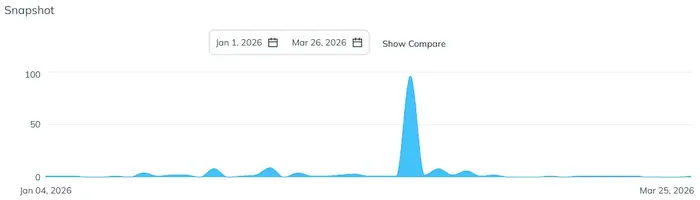
Key metrics to track:
Click-through rate (CTR) – what percentage of your readers click your affiliate links? Low CTR suggests the link is poorly placed or the offer is not relevant to that audience.
Conversion rate – what percentage of clicks result in a commission? Industry averages vary widely (1–10%), but tracking your own conversion rate over time reveals which offers resonate with your specific audience.
Earnings per click (EPC) – your average commission per click. Use this to compare the relative value of different affiliate programs and offers.
Cookie attribution – are conversions being attributed correctly? Occasionally check that your links are functioning and tracking properly.
5 Recommendations for Long-Term Affiliate Marketing Success
- Focus on helping, not selling – content that genuinely solves problems earns trust and converts far better than thinly-veiled promotional material
- Build an email list from day one – it is your most valuable and algorithm-proof asset
- Diversify your programs and platforms – never rely on a single affiliate program or traffic source
- Be patient – affiliate marketing typically takes 6–12 months of consistent work before generating meaningful income, but compounds strongly over time
- Disclose clearly and comply with FTC guidelines – proper disclosure protects your reputation and is legally required in the US
FAQ – Affiliate Marketing

Get the latest news!
Get useful tips in your inbox once a week. Free. Just useful stuff.
Conclusion
Affiliate marketing is one of the most proven models for generating passive income online. It requires no product, no inventory and no customer service – just the ability to connect the right audience with the right offer through genuinely helpful content.
The path to meaningful affiliate marketing income is not overnight – it requires consistent content creation, audience building and optimization over months. But the returns compound. Content you publish today can generate commissions for years.
Every platform covered in this guide is legitimate and actively used by thousands of successful affiliate marketers. Choose one or two that fit your niche, create content that genuinely helps your audience and build from there.
Promote only what you would genuinely recommend to a friend. That single principle will protect your reputation and build the kind of audience trust that generates affiliate income for the long term.
Related reading:
- Benable: Earn by Recommending Products
- Temu: Become a Partner and Boost Your Income
- Passive income: 5 ways to increase income on the Benable
- Affiliate Marketing on Pinterest
- Email Marketing: What It Is and How to Earn
- Mavely: Unique Platform for Creators, Buyers, and Brands
- Earn Money Online: Best Ways in 2026
Wow, wonderful weblog layout! How lengthy have you ever been running a blog for?
you made blogging glance easy. The entire look of your web site
is fantastic, let alone the content material!
Thank you for the extremely nice and positive comment. Now we are making changes to the texts and appearance to make everything even more beautiful.