
NELMEDIA
Print on Demand: How to Sell Custom Products Online Without Inventory
Print on demand is one of the most accessible ways to start an online business today. If you have ever wanted to sell custom products under your own brand , without inventory, without upfront investment, and without handling shipping yourself – this model is worth your full attention.
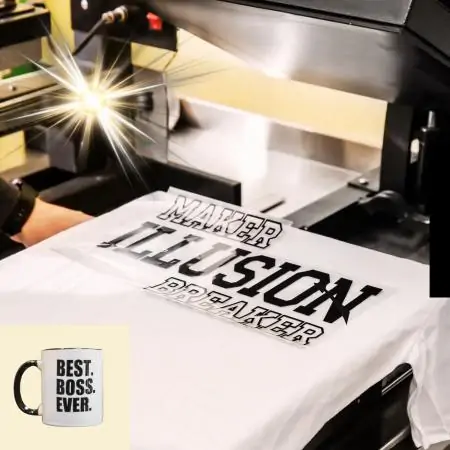
This guide covers everything you need to start a print on demand business , from choosing the right platform to designing, marketing and scaling your sales.
Quick Overview : Best Print on Demand Platforms
| Platform | Type | Integrations | Best For |
|---|---|---|---|
| Redbubble | Marketplace | Built-in | Beginners, no own store needed |
| Printful | Fulfillment | Shopify, Etsy, WooCommerce | Serious sellers, quality focus |
| Printify | Fulfillment | Shopify, Etsy, WooCommerce | Price-conscious sellers |
| Shirtee Cloud | Fulfillment | Shopify, WooCommerce | European market |
| Gooten | Fulfillment | Shopify, Etsy, WooCommerce | Automated fulfillment |
| Print Aura | Fulfillment | Shopify | Simple setup |
| Scalable Press | Fulfillment | API | High-volume sellers |
| Gelato | Fulfillment | Shopify, Etsy, WooCommerce | Global reach, sustainability |
What Is Print on Demand?
Print on demand (POD) is a business model where custom products are manufactured only after a customer places an order. There are no minimum order quantities, no inventory to manage and no risk of unsold stock.

Here is how the print on demand process works:
- You create a design and upload it to a POD platform or connect it to your own store
- A customer finds your product and places an order
- The platform automatically forwards the order to a print partner
- The print partner produces the item and ships it directly to the customer – often with your branding (white-label)
- You receive the difference between your selling price and the base production cost
You never touch the physical product. The entire fulfillment chain runs automatically.
Print technologies used in POD:
Direct-to-Garment (DTG) – ink is applied directly onto fabric, ideal for complex multi-colour designs on t-shirts, hoodies and tote bags. Produces vivid, detailed prints.
Sublimation printing – used for mugs, phone cases, cushions and all-over print garments. Ink is heated and transferred into the material surface, creating a durable, wash-resistant result.
UV printing – for hard surfaces like wood, metal and glass. Extremely durable, scratch-resistant and fade-resistant.
Embroidery – premium option for apparel, adds a tactile, professional feel. Popular for caps, polo shirts and premium brand merchandise.
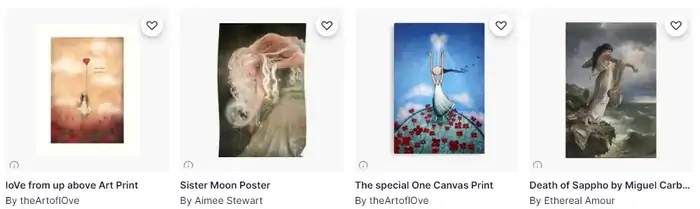
Why Print on Demand Is a Strong Business Model
✔️ No upfront investment – you never buy stock before making a sale
✔️ No storage needed – no warehouse, no boxes piling up at home
✔️ Infinite product range – one design can go on dozens of different products simultaneously
✔️ Passive income potential – designs set up once can sell for years
✔️ Fully scalable – selling more doesn’t mean proportionally more work on your side
✔️ Low risk testing – launch as many designs as you want, only successful ones cost you anything

Print on Demand Business : How to Start Step by Step
Step 1: Choose Your Niche
The most successful print on demand sellers focus on a specific audience rather than trying to appeal to everyone. A niche store outperforms a general one because it attracts a targeted audience, builds brand recognition and makes marketing significantly easier.
Strong POD niches include: pet owners (by breed), outdoor enthusiasts, teachers, gamers, yoga practitioners, specific professions, political causes, fandoms and hobbyists of any kind.
Rule of thumb: the narrower the niche, the lower the competition and the more loyal your buyers.
Step 2: Research What Sells
Before creating a single design, research what is actually selling in your niche. Look at Redbubble bestsellers, Etsy top listings and Amazon Merch trends. Tools like Everbee and Merch Informer provide data on top-performing designs.
Step 3: Create Your Designs
You do not need to be a professional designer to run a successful print on demand business. Modern design tools make it accessible to anyone.
Step 4: Choose Your Platform and Connect Your Store
Decide whether you want a marketplace (Redbubble – built-in audience, no store needed) or a fulfillment service (Printful, Printify – connects to your own Etsy, Shopify or WooCommerce store).
Step 5: Set Up Mockups and Product Listings
High-quality mockups are essential. They show customers what the finished product looks like and directly affect conversion rates. Most POD platforms provide mockup generators – always use them.

Step 6: Market Your Products
Your print on demand business will not grow without marketing. Designs alone do not attract buyers. Focus on:
- Pinterest – highly visual, pins have very long shelf lives and drive organic traffic for years
🔗 What is Pinterest? – 12 Secrets to Skyrocket Your Growth
- Instagram and TikTok – showcase products in use, behind-the-scenes content, design process
- Etsy SEO – if selling through Etsy, keyword-optimized titles and tags are critical
- Your own blog – content marketing drives long-term organic traffic with no ongoing cost
Design Tools for Print on Demand
Adobe Photoshop – the professional standard for image editing and design. Full control over every aspect of your design. Best for complex, detailed artwork.
Canva – the most accessible option for non-designers. Hundreds of templates, fonts and graphic elements. Excellent for text-based designs and quick product mockups. Also offers a built-in mockup feature for POD products.
🔗 Canva: 6 ways to earn extra income
GIMP – free, open-source alternative to Photoshop with comparable functionality. Ideal for creators who want professional-level tools without the subscription cost.
Pixlr – online image editor for quick adjustments, color correction and effects. Good for beginners and fast iterations.
Inkscape – free vector graphics software. Essential for creating scalable designs like logos and icons that need to look sharp at any size.
Kittl a new platform for graphic design similar to Canva.
🔗 Kittl design: Inspiration and innovation in the world of graphics
Design specifications to follow:
- Minimum resolution: 300 DPI for all print files
- Use PNG format with transparent background wherever possible
- Download and use platform-specific templates to ensure perfect positioning
- Always order a physical sample before promoting heavily – what looks good on screen doesn’t always translate perfectly to fabric or ceramic
Print on Demand Platform Reviews
Redbubble Review – The Best Marketplace for Beginners
Redbubble is the only platform on this list that functions as a true marketplace with its own built-in customer base. You do not need a website, a store or a marketing budget to make your first sale , customers find your work through Redbubble’s own search engine.

The platform handles everything: printing, packaging, shipping and customer returns. It includes a built-in product editor for positioning and scaling your design across different items.
What makes Redbubble stand out in our review is the breadth of products – t-shirts, hoodies, stickers, wall art, phone cases, laptop skins, tote bags, cushions, duvet covers and more – all from a single design upload.
The main limitation: Redbubble does not offer paid advertising for sellers, so promotion requires external effort (Pinterest, Instagram, TikTok).
🔗 Full guide: How to open a Redbubble store
Printful – Premium Fulfillment for Serious Print on Demand Businesses
Printful is one of the most trusted fulfillment platforms in the print on demand industry. It integrates with Shopify, Etsy, WooCommerce, Squarespace and many other platforms.

When a customer orders from your connected store, Printful automatically receives and processes the order – printing, packaging and shipping it to the customer without any manual action required from you. Printful ships from fulfillment centers in the US, Mexico and Europe, with 50% of orders ready to ship in under three days.
Additional services include branded packaging, custom labels and marketing videos – positioning Printful as a partner for building a real brand rather than just a product seller.
Printify Review : Largest Product Catalogue, Best Prices
Our Printify review: this platform offers the widest product catalogue in the POD space and works with a network of suppliers worldwide, giving you flexibility to choose the best printer for each market based on price, quality and shipping speed.

The integration process with Etsy, Shopify and WooCommerce is straightforward. When a customer orders, you select the print provider and submit the order. Printify’s Premium plan offers up to 20% discount on all products – worth considering once you reach consistent sales volume.
Shirtee Cloud Review : European Print on Demand Platform
Our Shirtee Cloud review: this German platform is particularly valuable for sellers targeting European customers. Local production means significantly shorter delivery times and lower shipping costs within the EU , a genuine advantage over US-based platforms.

The platform offers an intuitive design tool, handles all production and delivery, and provides customer support on behalf of the seller. Integration with Shopify and WooCommerce is available.
In our Shirtee Cloud review, the platform stands out as the best print on demand option for creators specifically targeting German, Austrian, Swiss and broader European markets.
Gooten : Automated Print on Demand Fulfillment
Gooten is a global fulfillment platform with emphasis on automation and reliable integrations with major e-commerce platforms.

It offers a wide range of products from apparel to home items and electronic accessories.
Print Aura : Simple Setup for Beginners
Print Aura is known for its straightforward setup and fast order processing.

It offers a range of products from t-shirts to cushions and posters, with Shopify integration and a basic built-in online store option.
Scalable Press : For High-Volume Print on Demand Sellers
Scalable Press is designed for sellers processing large order volumes. It offers competitive pricing on bulk orders and advanced API integration for full automation.

Best suited for established print on demand businesses looking to scale efficiently.
Gelato : Sustainable Print on Demand with Global Reach
Gelato is a newer but rapidly growing print on demand fulfillment platform with a strong focus on sustainability and local production. With production partners in over 30 countries, Gelato routes each order to the nearest printer to the customer – reducing shipping distances, delivery times and carbon emissions.

Gelato integrates with Shopify, Etsy, WooCommerce and other platforms, and offers a growing catalogue of over 100 product types including wall art, apparel, mugs, stationery and phone cases.
Key differentiator: Gelato’s network produces 99% of orders locally to the end customer – meaning faster delivery, lower shipping costs and a significantly reduced carbon footprint compared to US-only platforms.
Print on Demand with Etsy : The Most Popular Combination
Print on demand with Etsy is one of the most popular approaches for new sellers because Etsy brings built-in buyer traffic to your listings. You create the designs, connect Printify or Printful to your Etsy shop, and Etsy’s marketplace does much of the customer acquisition work.
Key advantages of print on demand with Etsy:
- Etsy has millions of active buyers searching for custom and unique products
- Listing fees are low ($0.20 per listing)
- Integration with Printify or Printful is seamless and fully automated
- Etsy SEO (search optimization within Etsy) can drive significant organic traffic
🔗 How to connect Printify and Etsy
Sell Custom Products Online : Marketing Strategies
Choosing Your Niche and Target Audience
The most profitable print on demand businesses are not general stores – they serve specific audiences. Identify a niche, understand what your audience buys and creates designs that speak directly to them.
E-Commerce Platforms and Online Marketplaces
Beyond Etsy, you can sell custom products online through:
- Shopify – full control over your store and brand
- WooCommerce – free plugin for WordPress stores
- Gumroad – simple digital and physical product sales
🔗 How to sell digital produtcs on Gumroad?
Social Media and Influencer Marketing
Instagram, TikTok and Pinterest are the most effective social channels for print on demand products – all three are visually driven and have highly engaged audiences for lifestyle, fashion and home decor content.
Consider approaching micro-influencers in your niche with free products in exchange for honest reviews or unboxing content. Smaller creators often accept product-for-post collaborations that larger influencers won’t.
Future Trends in Print on Demand
The print on demand business model continues to evolve. Key trends for 2026:
Eco-friendly materials and sustainable printing – buyers increasingly seek sustainable options. Leading POD platforms are introducing organic cotton, water-based inks and carbon-neutral shipping. Gelato’s local production model is the most advanced example currently available.
Augmented Reality (AR) product preview – customers can virtually “try” or visualize products before ordering. Several platforms are beginning to integrate AR previews, reducing return rates and increasing buyer confidence.
AI-assisted design generation – AI tools are increasingly used to generate design concepts quickly, dramatically reducing the time from idea to live product listing. Early adopters have a significant advantage in niche saturation.

Increased personalization – platforms are introducing tools that allow buyers themselves to customize products (adding names, dates, colors) directly in the store. This drives higher average order values and stronger buyer intent.
FAQ : Print on Demand

Get the latest news!
Useful tips directly to your inbox – once a week, free of charge.
Conclusion
Print on demand is one of the most accessible and risk-free ways to start an online business and sell custom products without upfront costs. You provide the creative vision , the platforms handle everything else.
The key to building a profitable print on demand business is niche focus, consistent design output and smart marketing. Start with one platform that matches your current situation.
Every platform reviewed on this page is established, reliable and actively used by independent creators worldwide.